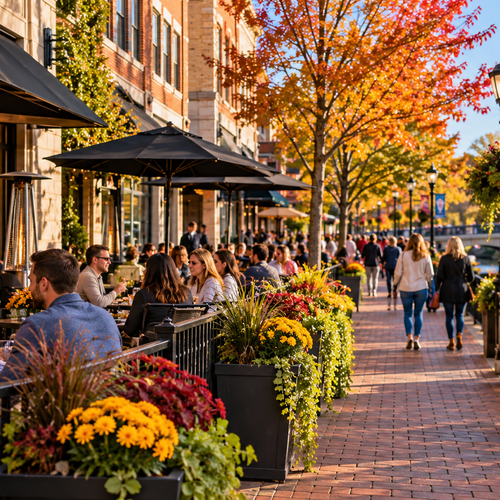
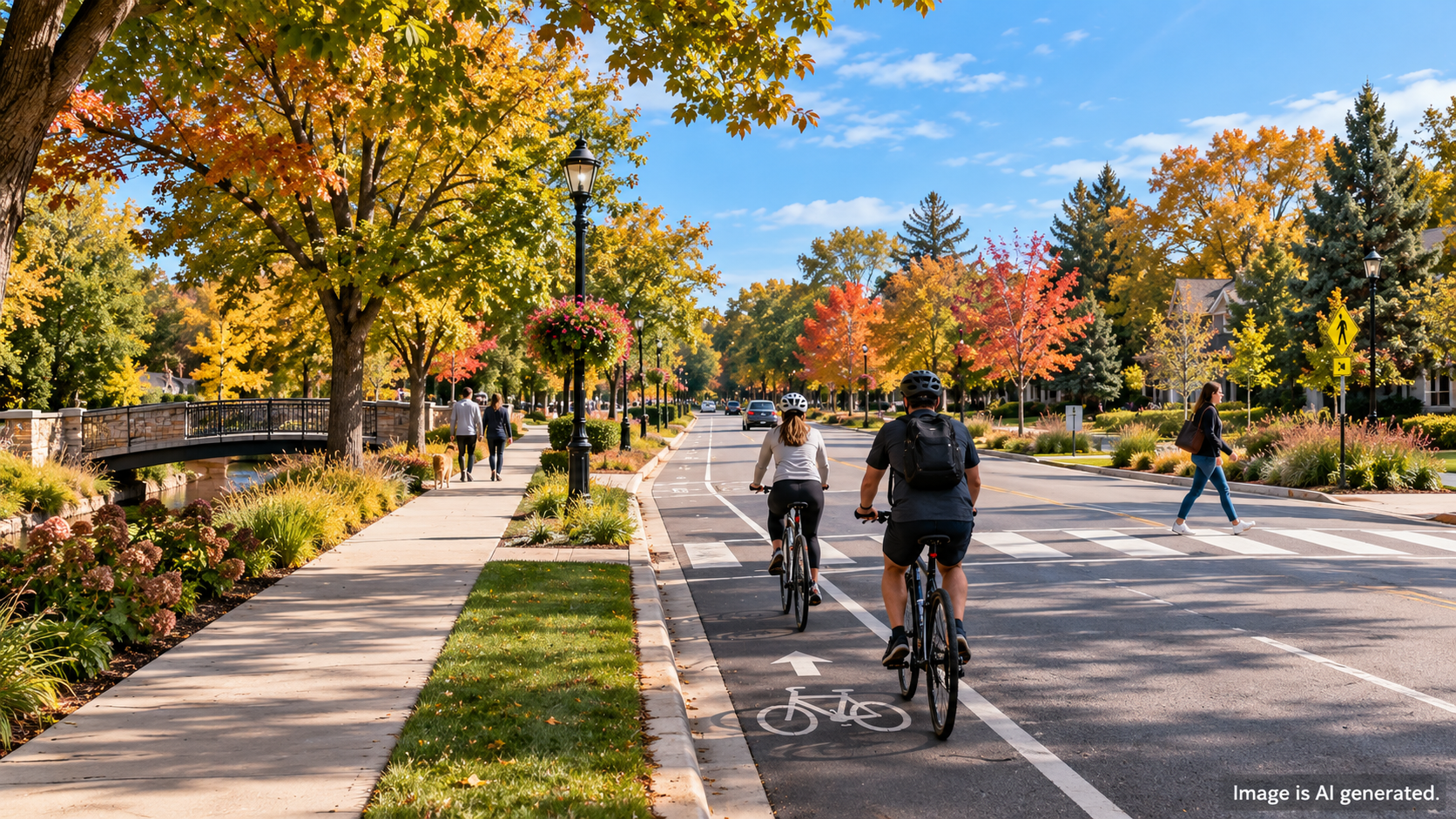
Naperville could be taking a major step toward becoming an even more bike-friendly and walkable community.
A proposed update to the city's bicycle and pedestrian plan outlines more than 100 potential improvements, from new bike lanes and safer intersections to better connections between neighborhoods, parks, schools, and trails.
The Transportation Advisory Board endorsed the updated plan on October 1, 2026, moving it closer to consideration by the Naperville City Council.
If adopted, the plan could help guide transportation decisions over the next 20 to 30 years.
For residents who enjoy biking along local trails, walking to neighborhood parks, or finding ways to get around without always using a car, these proposed changes could make a meaningful difference.
What Is Naperville's Updated Bicycle and Pedestrian Plan?
Naperville's bicycle and pedestrian plan is a long-term planning document intended to identify ways to improve how people travel around the city on foot or by bicycle.
Rather than focusing on one road or neighborhood, the plan looks at connections across Naperville.
Its recommendations include:
New or improved bicycle lanes on selected roads
Safer pavement markings and intersection signage
Better connections to parks, schools, libraries, and trails
Improvements at 10 intersections
A proposed bicycle lane along Gartner Road
A feasibility study for a separated bicycle connection through downtown Naperville
The goal is to make walking and cycling safer, more convenient, and more accessible for people of different ages and abilities.
However, inclusion in the plan does not guarantee that any particular project will be built.
Why Gartner Road Is Getting Attention
One of the more notable recommendations involves a potential bike lane along Gartner Road.
Gartner Road runs through established residential areas and provides access to neighborhood destinations in Naperville.
Adding bicycle infrastructure along portions of the corridor could create another option for residents traveling between nearby neighborhoods, schools, and recreational areas.
For families, commuters, and recreational cyclists, safer routes can help make shorter trips more practical without relying entirely on a vehicle.
The Gartner Road proposal is still a recommendation, though. Specific designs, schedules, and construction decisions would require additional review.
Safer Intersections Could Be a Major Part of the Plan
Bike lanes are only one piece of the proposal.
Intersections are particularly important because cyclists, pedestrians, and vehicles frequently cross paths in the same space.
The updated plan identifies 10 intersections for potential improvements.
Depending on future engineering evaluations, improvements could involve pavement markings, signs, or other design changes intended to make movements clearer and reduce conflicts.
These changes could be especially valuable near schools, parks, shopping areas, and other places where people regularly walk or ride.
For Naperville residents, the long-term benefit would be a transportation network that feels more connected rather than a collection of isolated bike routes.
A Long-Term Investment in Naperville's Transportation Network
The proposal goes well beyond a handful of bike lanes.
According to reporting from NCTV17, the updated plan identifies 112 infrastructure projects, 12 enhancements to existing facilities, and 10 intersection improvements.
The estimated cost of the full set of proposed improvements exceeds $54 million, with implementation potentially extending through 2050.
The recommendations also include policy and program changes that could help guide future transportation decisions.
Rather than completing everything at once, Naperville would evaluate projects over time, potentially incorporating them into the city's annual capital improvement planning process.
Residents Helped Shape the Plan
Community feedback played an important role in developing the recommendations.
More than 500 people participated through the city's interactive mapping process, while additional residents shared feedback at public meetings and outreach events.
Participants identified missing connections, safety concerns, and places where biking or walking could be more convenient.
That feedback helped planners prioritize projects and identify opportunities to connect existing infrastructure.
The result is a proposal informed not only by transportation experts but also by people who use Naperville's streets and trails.
Why It Matters for Naperville Residents
One of Naperville's biggest lifestyle advantages is the variety of amenities available throughout the community.
From the Riverwalk and downtown shopping district to neighborhood parks, schools, and regional trails, residents have plenty of destinations to enjoy.
But being close to an amenity doesn't always mean it's easy to reach on foot or by bicycle.
A busy intersection, missing sidewalk connection, or uncomfortable stretch of roadway can make a short trip feel much more difficult.
That's where a more connected transportation network could help.
For families, better routes may provide more convenient access to parks and schools. For cyclists, improved intersections could make recreational rides and everyday trips easier. And for residents who prefer walking, safer crossings could help connect neighborhoods to nearby destinations.
These improvements could also benefit local businesses by making commercial areas more accessible to people arriving without a car.
Could Better Bike and Walking Connections Affect Naperville Real Estate?
Walkability and access to outdoor recreation are among the lifestyle features many homebuyers consider when choosing a neighborhood.
For some buyers, being able to walk to a park, reach a trail, or bike to nearby amenities can be an important part of everyday life.
Naperville already offers a wide range of neighborhoods with different levels of access to schools, shopping, parks, and public transportation.
If the proposed improvements eventually move forward, some neighborhoods could gain more convenient connections to nearby destinations.
However, it's important to remember that the plan does not guarantee increased property values or specific improvements near any individual home.
For buyers and homeowners, the more practical takeaway is to pay attention to future infrastructure plans when evaluating a neighborhood's long-term lifestyle appeal.
What's Next for Naperville's Bike and Pedestrian Plan?
The next major step is City Council consideration.
According to the city's published project timeline, the updated plan is scheduled to go before the Naperville City Council on October 20, 2026, for final approval.
If approved, the plan would serve as a framework for future transportation projects.
Individual improvements would still need additional engineering, design, funding, and, where appropriate, public input.
City staff has also discussed providing progress updates to the Transportation Advisory Board twice each year, helping residents track how recommendations move forward.
For now, residents can review the proposal and its supporting materials through the city's official project page.
FAQs
Has Naperville approved all 100+ bike and pedestrian improvements?
No. The Transportation Advisory Board recommended adoption of the updated plan on October 1, 2026. City Council consideration is scheduled for October 20. Individual projects would still require further review.
How many improvements are proposed?
The plan identifies 112 infrastructure projects, 12 enhancements to existing facilities, and 10 intersection improvements, along with policy and program recommendations.
Will Gartner Road get a new bike lane?
A bicycle lane along Gartner Road is among the proposals. However, its final design, timing, and implementation have not been guaranteed.
How much could the improvements cost?
The full set of proposed improvements has an estimated cost exceeding $54 million, spread over a long-term implementation period.
When will construction begin?
There is no single construction start date for the overall plan. Projects would be considered individually, based on priorities, engineering requirements, and available funding.
Final Thoughts
Naperville has long been known for its parks, trails, downtown amenities, and family-friendly neighborhoods.
The proposed bicycle and pedestrian plan represents an opportunity to build on those strengths by making it easier for residents to move between the places they already enjoy.
With more than 100 potential improvements and a long-term vision extending toward 2050, the plan could help shape how Naperville grows and connects its neighborhoods for years to come.
For now, the next milestone is the October 20 City Council meeting.
To follow the proposal, visit the City of Naperville's official Bicycle and Pedestrian Plan page.
And for more updates on local developments, community improvements, and real estate throughout Chicago's western suburbs, stay connected with Living Chicago Suburbs.
Check out this article next